


Blog
The staying power of the book

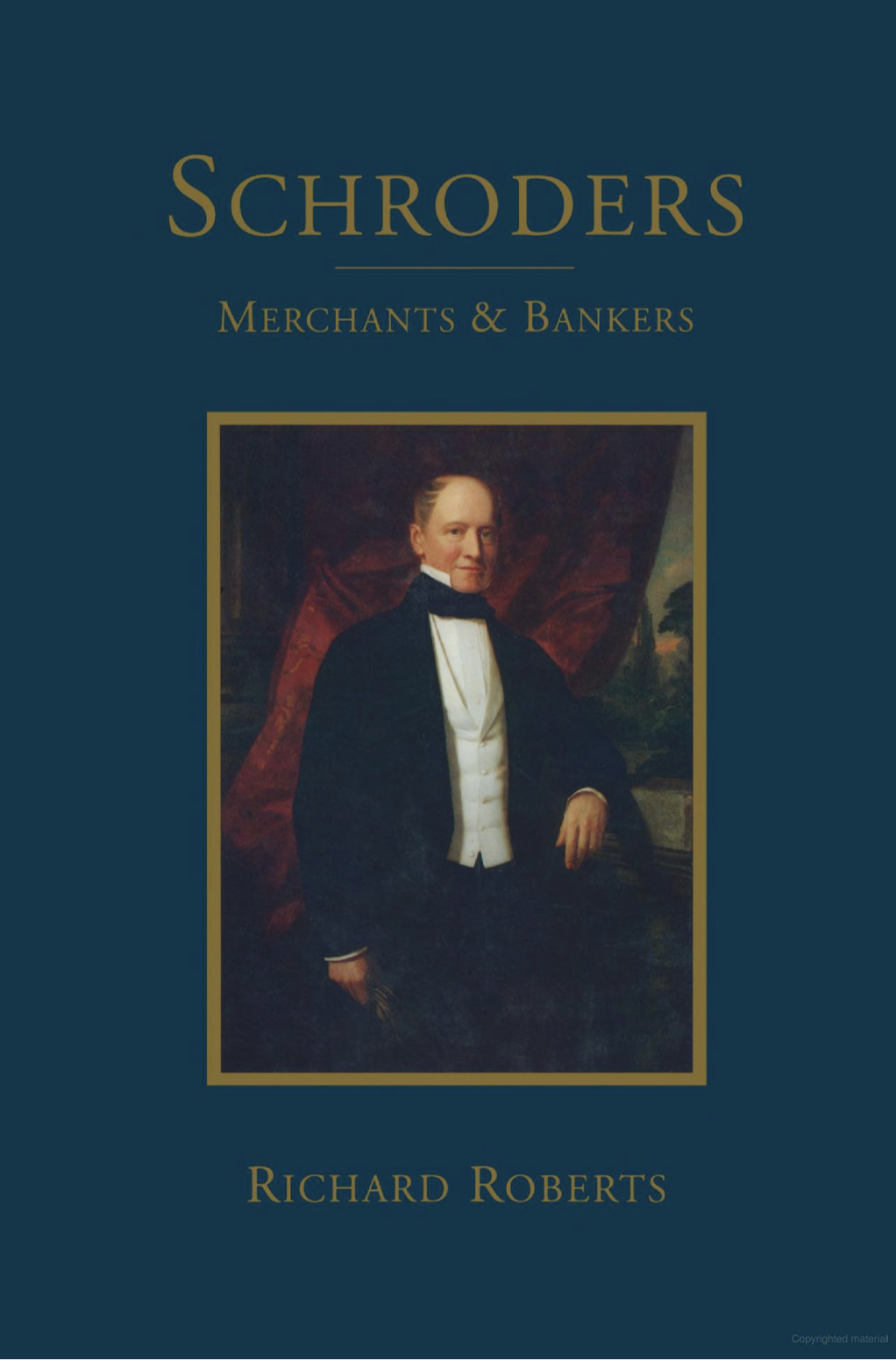
My first job on leaving university, in the early nineties, was as an archivist with a merchant bank in the City of London. I had two bosses – the company secretary and the company historian – and spent my days tucked away (well away from the traders) in a little back room beside the stationery department, happily cataloguing the records the historian had used while researching his book. As a side project, I was asked to make a photo album of some of the photographs which appeared in the book. When I say a photo album, I mean a proper large card album, with the photos held in place with those little plastic corners you don’t see much any more. The full enchillada. Working with the historian, I wrote captions, typed them up, printed them and glued them in place underneath the photos. The historian took quite a bit of time to get everything right, and we moved things around, and updated the captions, until we were both happy with it. The result was a nice record of company-related events over the years. It was duly presented to the company secretary – who seemed suitably pleased.
In the course of this work, I was having some computer issues one day, and someone from the company’s IT department was helping me out. “What are you doing with all that stuff?” he asked gruffly, gesturing towards the photo-album-in-progress.
“Oh, just putting this whole thing together.”
“I guess it can sit on a shelf somewhere,” he replied.
Maybe I’m being oversensitive, but I got a strong sense of Why bother with paper records now that everything’s being computerised? from him.
Perhaps he was right. We were certainly heading into the computer age at that stage – in double-quick time. The album may well have long since gone the way of most paper-based office documents: into a shredder, or a skip. Then again, perhaps it’s still sitting on a shelf or a desk somewhere, and somebody leafs through it from time to time in a quiet moment. The company history is certainly still available – and in hard copy too.

I guess the point of the story is that, for all the wonderful advances that have been made in technology over the years, books still, somehow, exist. Not only that, but against all odds, they seem to be thriving. They have several advantages over other mediums. One is that almost everyone, wherever you go in the world, has a pretty good idea what a book is. It doesn’t require much explanation. And books are generally viewed as “a good thing” – for all kinds of reasons too numerous to go into here.
And it follows that the time, care and effort that goes into making them – on the part of the people who write them, choose the photographs, put the whole thing together, edit and proofread the text, design a cover intended to catch the eye of a browser (not to mention the pages themselves), print them, bind them, deliver them, send them out for review, sell them, buy them, give them away, and eventually, perhaps, donate them to a charity shop to have, if they’re lucky, another life somewhere else – shouldn’t be taken lightly. Like having a family pet, printed-paper books are truly life-affirming. Where would we be without them?